Gluten-Free Camping Meal Planning and Label Checks
Plan gluten-free camping meals with current label checks, separate preparation, and a serving routine. Compare meal components and pack a suitable backup.
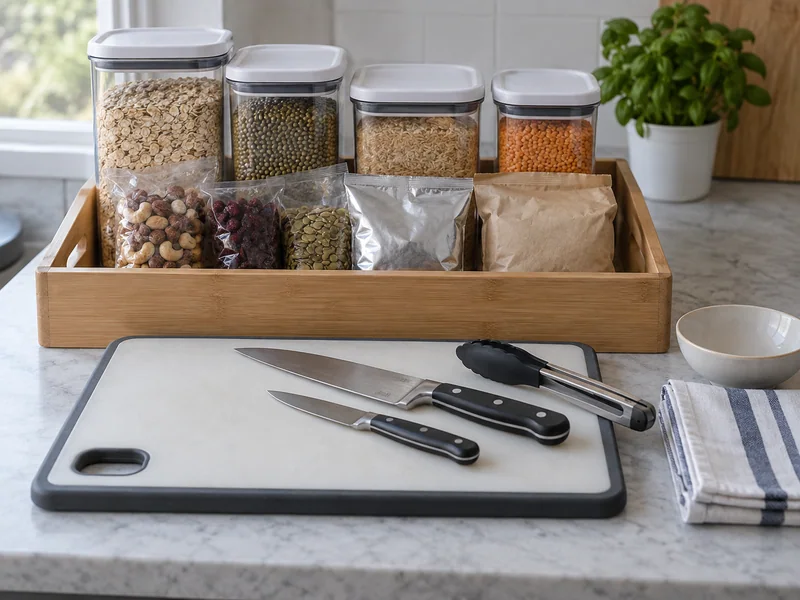
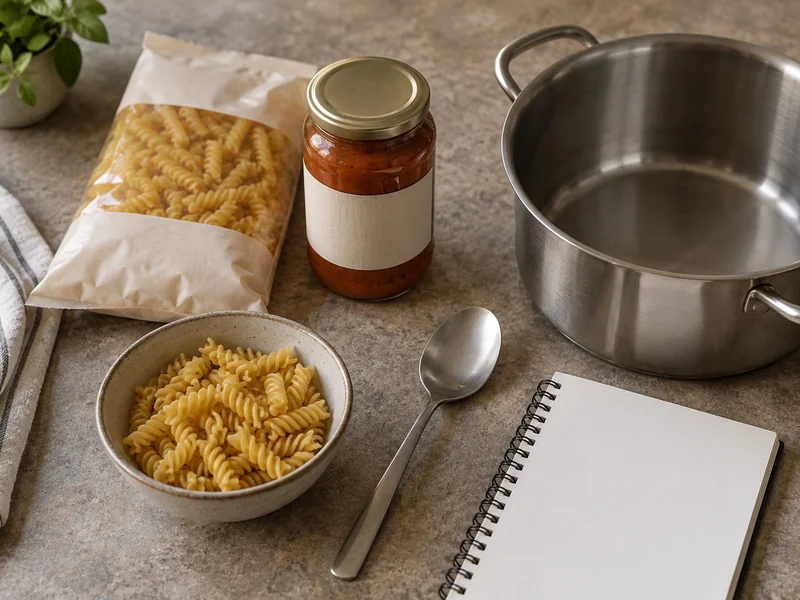
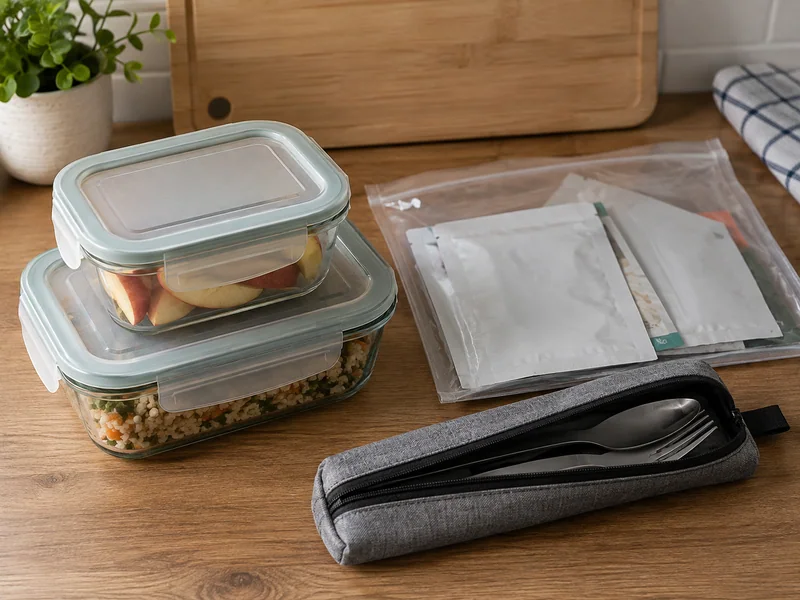
AI-generated illustration: a conceptual kit; appearance cannot verify ingredients or prevent cross-contact by itself.
Plan gluten-free camping food from the shopping label through storage, preparation and serving. Check the exact products, keep ingredient information available after repacking, and resolve shared utensils and surfaces before the meal begins. Manufacturer examples illustrate label checks; the completed meal still needs a suitable preparation process and an individual dietary plan.
Planning gluten-free camping meals means following the food all the way to the plate. The pasta may have an appropriate label while the sauce remains unchecked. A carefully packed sandwich can still meet a bread-covered cutting board when someone adds a topping.
Start with the foods and preparation arrangements the person already uses successfully, then adapt the equipment and shopping list to camp. For celiac disease, follow the person’s medical and dietary guidance. NIDDK recommends working with a doctor or registered dietitian on that diet, including advice about oats.
This researched guide applies public label guidance to common camping decisions. It has not received clinical review, and no ingredients or finished meals were tested for gluten. The worksheets help identify decisions to resolve; they cannot certify a meal or replace individual advice.
Read what the package actually claims
For FDA-regulated packaged foods, a gluten-free claim is voluntary but must meet the agency’s requirements. Any unavoidable gluten must be below 20 parts per million; the claim does not mean a guaranteed zero. FDA also says that wording such as “not made with gluten-containing ingredients,” without a gluten-free claim, should not be assumed to meet all its requirements. See the FDA labeling questions and answers.
Read the entire label on the product being purchased. The name of a familiar brand is not the name of an exact product. A different flavor, sauce packet, package size or replacement item deserves another check. If necessary information is unclear, contact the manufacturer or choose a product whose suitability you can establish.
| Information you find | What it helps answer | What still needs attention |
|---|---|---|
| A gluten-free claim | The product is represented as meeting the applicable claim requirements | Exact product, other dietary needs and preparation after opening |
| A third-party certification mark | Identifies an additional certification program | The current product and that program’s meaning |
| A wheat-free statement | Addresses wheat | Other gluten sources, including barley and rye |
| An ingredient list on an outer carton | Identifies what is in the purchased food | Keeping that information with portions after repacking |
| No clear information on a substituted product | Shows a shopping decision remains unresolved | Manufacturer clarification or another choice |
FDA does not endorse a particular gluten-free certification program. A logo and an ingredient list also answer different questions. Keep both available when they are part of how the person selects food.
Gluten-free does not mean free of every food allergen. FDA’s food-allergy guidance identifies wheat among the major allergens, along with others such as milk, eggs, soy, peanuts and sesame. Check any additional requirements separately.
Two product examples show why exact names matter
The US page for Barilla Gluten Free Rotini identifies a corn-and-rice pasta and describes it as gluten-free. That is a concrete product to compare with the package in the store. It does not establish that an ordinary wheat rotini from the same brand is interchangeable.
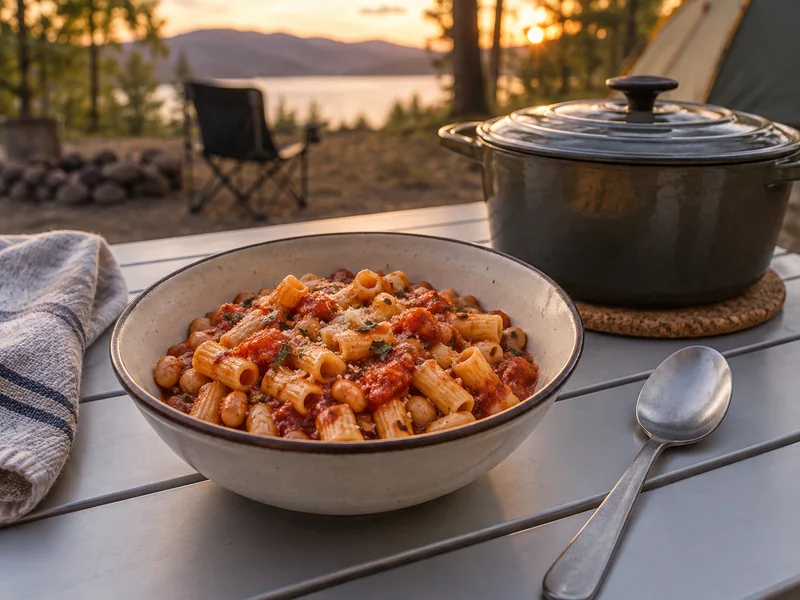
Choosing that pasta leaves several campsite decisions: which sauce accompanies it, which pot and draining method you will use, how the serving spoon stays with that dish, and where the opened package goes. Follow its own preparation directions instead of assuming the timing and behavior of another pasta.
San-J Tamari Soy Sauce Gluten Free is another specific example. The manufacturer identifies the product as gluten-free and made without wheat, while its allergen information identifies soy. That combination illustrates why a product can suit one requirement and still need a separate allergy check.
Use the exact bottle and label when selecting a sauce. Do not approve an unlabeled brown sauce or every product called tamari from the appearance or category name. If you decant the checked sauce, keep its identity and instructions attached to the new container.
These examples demonstrate a shopping process. We have not prepared or evaluated a camping meal with either product, and neither manufacturer claim extends to everything added at your table.
Choose meals by the number of unresolved components
A meal with fewer separate products and preparation stages can be easier to document. That does not make every simple-looking food suitable. The useful question is whether you can account for each component and the way it is handled.
| Meal direction | Components to verify | Camp preparation question |
|---|---|---|
| Eggs with potatoes and fruit | Any seasoning, cooking fat and prepared potato product | Which pan, utensils and serving plate are assigned to the meal? |
| Yogurt with a checked topping and fruit | Exact yogurt and every topping | Can the cold food stay appropriately stored, with its own spoon? |
| Rice-and-bean bowl | Rice product, beans, stock, seasoning and sauce | Does the method require a separate pot or a clean draining tool? |
| Gluten-free pasta with sauce | Exact pasta, sauce, toppings and any prepared protein | How will cooking, draining and serving remain separate from wheat pasta? |
| Tacos using suitable labeled components | Tortillas, filling, seasoning and toppings | Which utensils and containers keep the selected ingredients distinct? |
| A packed lunch using familiar suitable foods | Bread or crackers, filling, spread and side | Can it be prepared and sealed before the shared meal setup begins? |
If oats are part of the person’s menu, follow their clinician or dietitian’s advice and select an appropriate gluten-free product. NIDDK notes that oats can encounter gluten during growing or processing. Do not treat a generic oat ingredient as sufficient evidence about the finished product.
For wider meal structures, use the camping dinner guide, then apply these checks to every ingredient and preparation stage. The vegetarian guide handles a different dietary choice; vegetarian labeling alone does not establish suitability for a gluten-free meal.
Trace cross-contact from packing to serving
NIDDK describes gluten cross-contact as possible during storage, preparation and serving, as well as earlier in food production. It advises separating gluten-free foods and preparation from gluten-containing foods. The following camp workflow is a practical way to identify where that separation needs to happen, rather than a validated cleaning protocol.
Walk through the actual meal with the person who will cook it. Begin at the food box, move to the work surface, then follow the pot, serving tools and leftovers. At each point, identify who else uses that item and what it touches.
| Transfer point | A question to settle | A concrete entry for the packing plan |
|---|---|---|
| Pantry or cooler | Can packages spill or be mistaken for similar foods? | Identified containers and an assigned storage position |
| Preparation surface | Will bread, flour or shared ingredients be handled there? | Separate preparation arrangement agreed in advance |
| Cooking and draining | Which pot, strainer, spoon or griddle surface will be used? | Named equipment and a suitable cleaning or dedicated-use plan |
| Condiments | Will a spreading knife return after touching another food? | Separate supply or serving method that prevents that transfer |
| Serving | Can utensils move between dishes? | One identified utensil per dish and someone responsible for serving |
| Food put away | Will selected portions mix with food from shared plates? | Labeled storage containers and a clear handling decision |
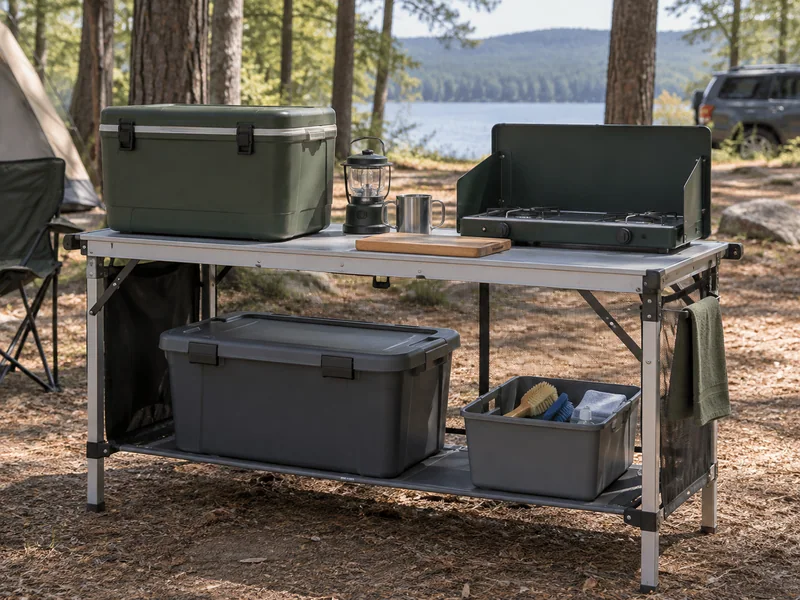
In a compact kitchen, the hard part may be the missing second work area. Resolve that before departure. A separately prepared packed meal may be more practical than trying to make wheat and gluten-free sandwiches simultaneously on one small board.
Likewise, do not count the two ends of a shared griddle as a verified separation method. If you cannot establish a suitable preparation process for the chosen food, change the equipment, the meal or who prepares it. A label check cannot repair an unresolved cooking arrangement.
Keep the right information after repacking
Store original packaging when it is practical. If it is not, keep a legible copy of the exact ingredient, allergen, storage and preparation information with the food. Record the product identity so another person can check what was selected without guessing from a handwritten food name.
A bag marked “pasta” leaves important questions unanswered. A label identifying the exact product, the meal it belongs to and its retained package information is more useful. Keep different foods in separate containers instead of combining dry ingredients before the menu is settled.
When someone shops for the group, write substitution instructions on the camping grocery list. Specify which products require confirmation before replacement. “Buy something similar” can undo the label work even when the shopper is trying to help.
The person collecting groceries should check the items that actually arrived. A saved online cart or an earlier trip’s photograph does not identify a replacement delivered this time.
Agree on the meal handoff with the group
Tell the cook which food is assigned, where its utensils are and what should happen if a product or preparation step is uncertain. Keep that conversation specific enough that someone else can follow it while setting up dinner.
For example, identify the selected sauce by its container and meal, then state who serves it and where the spoon returns. Avoid relying on everyone remembering a general request to be careful. The large-group meal guide provides a way to assign cooking and serving responsibilities.
Make the backup a complete, familiar option that fits the person’s needs and the available storage. It might be food prepared and packed separately or unopened suitable products. Decide when to use it: an unapproved grocery substitution, missing equipment or an uncertain shared serving arrangement are reasons to reassess the meal before eating.
Complete a trip food record
| Record | What to write |
|---|---|
| Individual requirements | The person’s established dietary and preparation needs |
| Menu | Each meal, including snacks and travel stops |
| Exact products | Names, current package information and any unanswered questions |
| Preparation responsibility | Who prepares, packs, cooks and serves each meal |
| Equipment | Assigned containers, tools, cooking vessel and serving items |
| Substitution rule | What requires confirmation and who can provide it |
| Backup | Food, storage needs and when it will be used |
| Return-trip food | What remains available after camp is packed |
Gluten-related planning works alongside ordinary food handling. Perishable foods still need suitable storage and cooking, covered in the camping food-storage guide. Finish the menu only when both the ingredient questions and the practical preparation arrangements have an answer.
Sources & further reading
Use these original sources for the full context and the latest guidance.
Prepared with AI assistance. Read our editorial approach.
This is a researched planning guide, not a report of a hands-on product test.
Last updated .