No-Cook Camping Meals: What to Pack and What to Keep Cold
Plan no-cook camping meals for days without a stove. See which options need a cooler, how to assemble them, and what to pack for breakfast, lunch, and dinner.
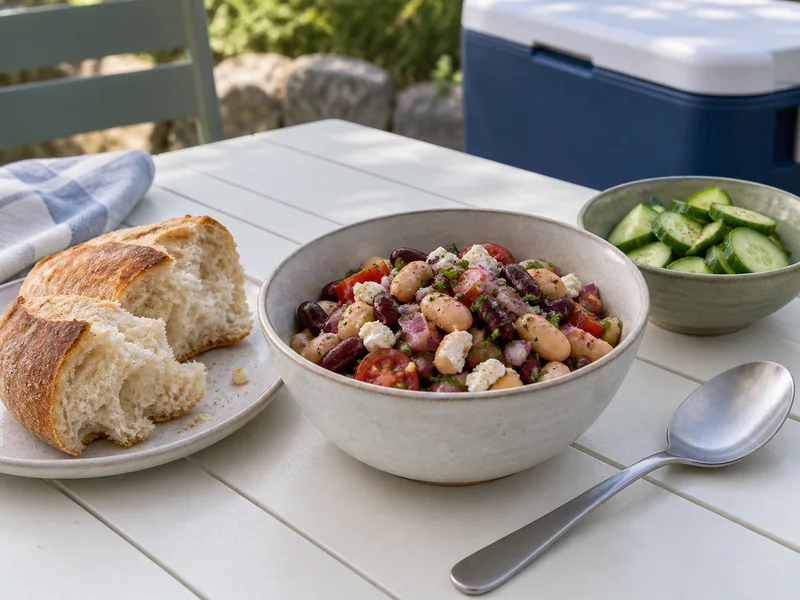
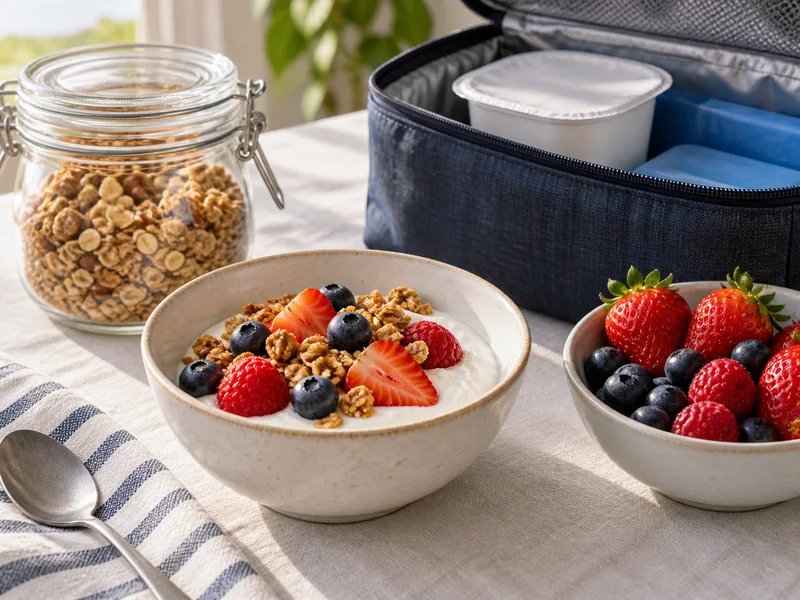
AI-generated illustration: a conceptual no-cook meal; cold-storage needs depend on its ingredients.
No-cook meals remove the stove from preparation, but they may still need a cooler. Choose ready-to-eat ingredients, check every package's storage instructions, and plan what happens to the unused contents before opening it.
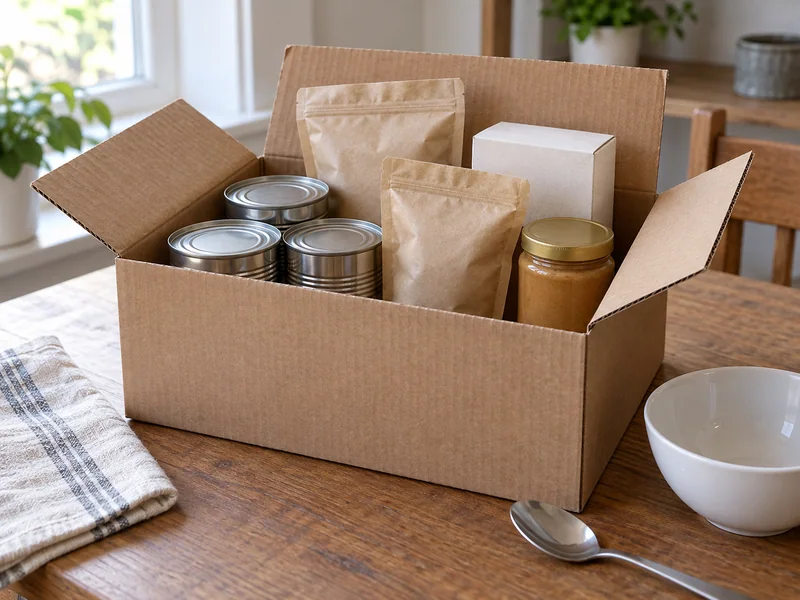
To plan no-cook camping meals, choose ingredients that are ready to eat without heating, then decide whether you can keep refrigerated food cold. Build breakfast, lunch, and dinner around that answer. A chilled yogurt bowl and a meal assembled from unopened pantry packages both avoid the stove, but they need different storage plans.
Here, no-cook means no cooking or reheating at camp. Some ingredients may have been cooked commercially or in your home kitchen. This is not a raw-food menu, a cold-soaking method, or a claim that all the food can sit outside a cooler.
The combinations below help you choose and assemble meals. They have not been recipe-tested, and the quantities should come from your appetite, chosen products, and familiar recipes.
Start with the storage you can actually provide
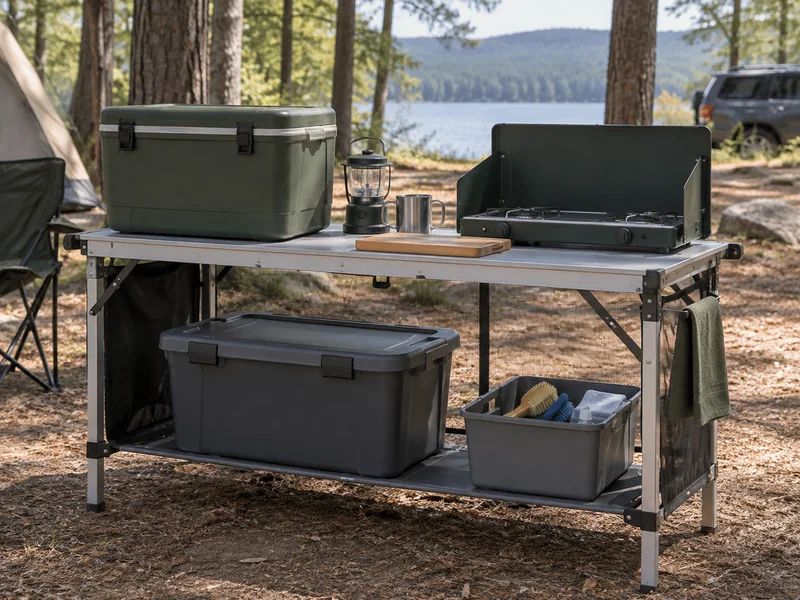
If you have reliable cold storage, you can consider prepared salads, refrigerated spreads, yogurt, and other ready-to-eat chilled foods that suit the menu. If you are leaving the cooler at home, the unopened and opened states of every ingredient need to fit that decision.
USDA’s bag-lunch guidance identifies foods such as luncheon meats, cheese, and cut fruit in packaged combinations as perishable even when they contain preservatives. A package being sealed or convenient does not settle the storage question.
| What you can provide | Starting point for the menu | Work still required | Question that could change the plan |
|---|---|---|---|
| Reliable chilled storage throughout the trip | Ready-to-eat chilled ingredients and properly prepared cold meals | Keep food cold, assemble portions, manage leftovers | Can the food remain cold when lunch leaves the main cooler? |
| No cooler, with products labeled for storage in your conditions | Unopened ready-to-eat pantry products and suitable whole foods | Open only the planned amount, assemble, and contain waste | Does any open remainder require refrigeration? |
| A stove-free backup alongside a regular menu | A separate meal that does not depend on cooking equipment | Keep the backup identifiable and available | Does it secretly need hot water, milk, or a chilled topping? |
Our camping food storage guide covers cooler temperatures, prepared-food storage, and destination-specific wildlife precautions. Decide those arrangements before committing to the menu.
Read “ready to eat” separately from “shelf-stable”
A dry ingredient can be stored in the pantry and still require cooking. A prepared food can be ready to eat and still require refrigeration. Read preparation directions and storage directions as separate instructions.
For a documented ready-to-eat example, StarKist’s Light Tuna in Water pouch can be eaten without draining or heating. The company’s storage FAQ requires refrigerating opened leftovers. That makes it a potential no-cook ingredient, with an after-opening decision still to make.
Do not turn a product with required cooking instructions into a cold meal by omitting the heat. The same applies to a recipe that begins with raw ingredients requiring cooking. For this guide’s simplest pantry meals, select products explicitly suitable for eating as sold instead of trying to invent a soaking or preservation method.
Also check the last line of your meal plan. “Add milk” or “serve with chilled dip” may introduce a cooler requirement that is absent from the main ingredient. A topping counts as part of the meal’s storage needs, even when you use only a spoonful.
Choose breakfast by what you want to open
For a trip with both early departures and slower mornings, the camping breakfast guide compares these cold options with breakfasts that use hot water or a pan. Here, the choices stay within a day that needs no cooking at camp.
Yogurt, granola, and fruit with a cooler
Use refrigerated yogurt with a dry granola portion and fruit prepared as appropriate before serving. Keep the crunchy topping separate and combine it only with the amount you intend to eat. Choose the yogurt package by the quantity you want, rather than assuming a large tub will be convenient to carry back and forth between meals.
Think about the bowl before packing. Eating from an individual yogurt container may reduce serving dishes, but there must be space for the topping. A larger bowl gives more mixing room and creates a separate item to wash.
Bread, a suitable spread, and whole fruit
A nut butter or other spread can work when its actual label permits the intended storage and it suits everyone’s dietary needs. Keep the bread accessible and use a clean utensil for the spread.
Do not assume every spread has the same directions. An alternative product, a different flavor, or an added ingredient can change the label. The shelf-stable food label checks include real product examples with package sizes and after-opening instructions.
Cereal with an unopened shelf-stable milk carton
This can fit a no-cooler breakfast only when the particular milk, package conditions, and consumption plan permit it. Organic Valley describes its shelf-stable milk as drinkable at room temperature. Its single-serve 1% milk page instructs refrigeration after opening. Open the carton for the meal and plan to use its contents then if you have no suitable cold storage.
A carton that is convenient for drinking may contain more milk than you want in a bowl. Decide what happens to the difference before opening it. You could choose to drink the remainder with breakfast, select a different package, or choose a breakfast that does not need milk.
Make lunch match the day’s movement
For a lunch eaten at camp, a chilled prepared filling with tortillas can leave each person free to assemble their own portion. Put out the amount being served and keep any reserved food under its required conditions. Separate tortillas and filling also let you choose a bowl if someone no longer wants a wrap.
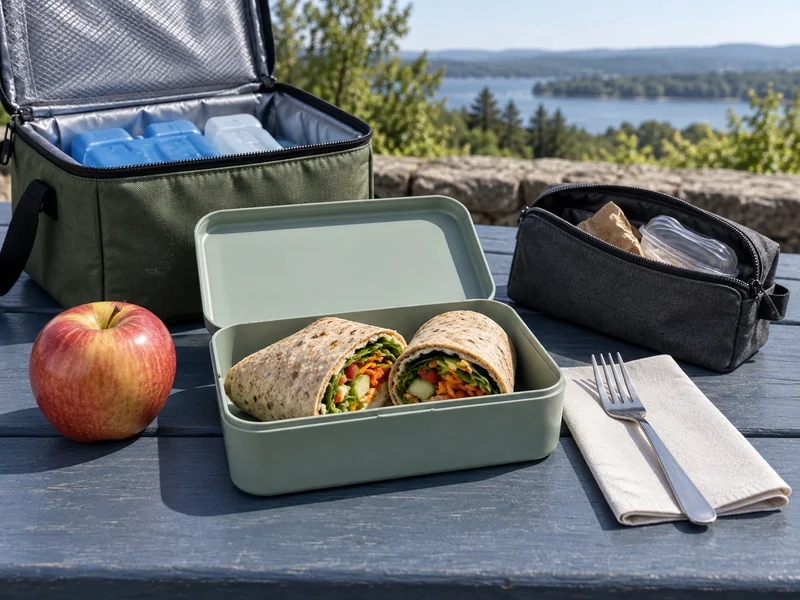
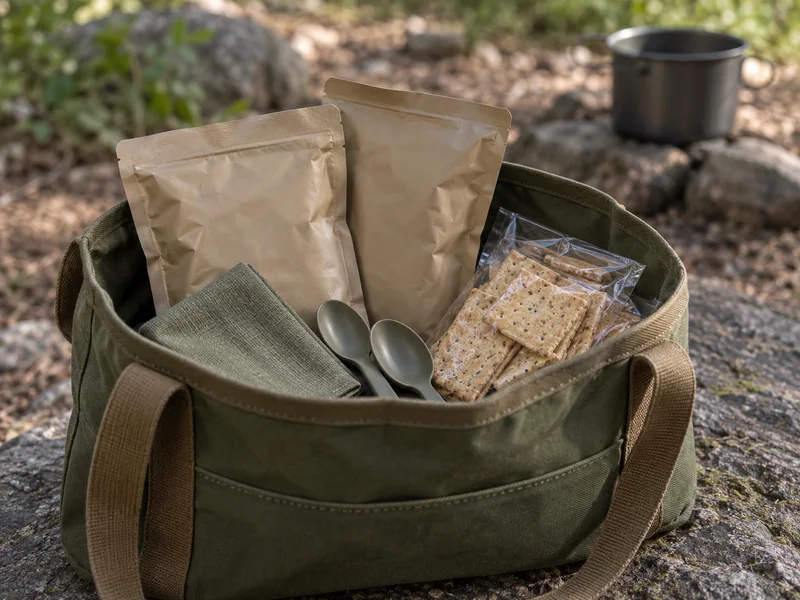
For a stop away from the main cooler, choose between carrying the cold storage the ingredients need and using suitable unopened pantry products. Ready-to-eat pouches with crackers offer one possible format. Pack a utensil and a bag that can contain the empty packaging, including any residue.
A lunch assembled without a knife may be useful where clean working space is limited. That might mean preparing the sandwich beforehand under the appropriate conditions, bringing ready-to-eat ingredients, or selecting whole fruit you can eat without cutting. It does not remove the need for clean hands.
The camping lunch guide compares roadside stops, time at camp, and short walks. Use that decision for lunch here rather than packing the same bowl for every setting.
Give dinner enough substance and enough choice
No-cook dinner need not be a collection of small snack packages. Start with a main component your group expects to eat, then choose a bread, cracker, or other ready-to-eat base and additions that make it a meal they want.
| Dinner format | Main components to choose | Assembly | Storage condition to resolve | Equipment to count |
|---|---|---|---|---|
| Chilled grain-and-bean bowl | A familiar fully prepared salad, chosen topping, and dressing | Portion the salad; add toppings at serving | Prepared salad and any perishable additions stay cold | Bowls, serving spoon, small topping container |
| Tortilla meal with chilled filling | Prepared bean or cooked-chicken filling and tortillas | Fill each tortilla when ready to eat | Chilled filling remains refrigerated until serving | Clean serving surface and filling utensil |
| Pantry pouch meal | A ready-to-eat main ingredient, crackers or suitable bread, and chosen side | Open the assigned packages and serve | Every product permits unopened storage; no unplanned chilled remainder | Fork, plate or bowl if wanted, waste container |
| Bread-and-spread plate | Label-approved spread, bread, and fruit or another suitable accompaniment | Spread and portion at the meal | All additions meet the same no-cooler plan if refrigeration is unavailable | Clean spreader and a plate or food container |
These formats leave flavor choices open. One person may prefer a savory pouch meal while another wants a chilled bean salad. If you pack both, count the extra containers and serving utensils before calling the plan simpler.
For a prepared dinner, use a recipe you already know you enjoy cold. A dish that tastes good hot is not automatically a cold meal you will want to repeat. Any home cooking and chilling still need to be completed correctly. The make-ahead meal guide helps identify those home tasks.
Pack a backup meal that has no hidden stove step
Choose a backup by reading every preparation instruction, including the accompaniment. Dry soup, instant noodles, and a drink mix requiring hot water do not meet a plan that has no heat source. Neither does a shelf-stable pouch if its required preparation cannot be completed with your available equipment.
Use a separate list for the backup so it does not disappear into ordinary snacks. For two people, a planning example might assign one ready-to-eat main package to each person, the amount of crackers each wants, and a whole-fruit side each has chosen. Keep those assigned packages together.
| Backup check | Write your answer |
|---|---|
| Main food | Product and amount assigned to each eater |
| Preparation | Exact label confirmation that no heat is required |
| Storage | Unopened requirements and destination in the food supply |
| After opening | Amount consumed now and any remainder that would need refrigeration |
| Additions | Bread, crackers, topping, and drink, each checked separately |
| Serving | Utensils, clean surface, hand-cleaning supplies, and waste container |
Keep the fallback within the storage conditions on its packages. Calling it an emergency meal does not make a hot vehicle a suitable pantry.
Plan cleanup even when the pot stays packed
No cooking eliminates a cooking step, not the work of handling food. A sticky jar, a wet pouch, and a bowl of dressing still need attention. Pack a way to clean hands and reusable utensils, and a container for food-contaminated packaging.
FoodSafety.gov recommends washing produce under running water and keeping ready-to-eat food separate from raw-food equipment. See its four food-safety steps. Prepare what you can at a suitable home sink when doing so fits the food’s storage plan.
Before departure, read the complete day aloud: breakfast, lunch, dinner, and backup. For each meal, name what opens and what remains. If any step depends on an unplanned cooler, heat source, or washing setup, adjust that meal. When cooking is practical again, the one-pan pantry meal guide offers a different way to use suitable ingredients.
Sources & further reading
Use these original sources for the full context and the latest guidance.
- USDA FSIS: Keeping Bag Lunches Safe (opens in a new tab)
- FoodSafety.gov: 4 Steps to Food Safety (opens in a new tab)
- StarKist: Light Tuna in Water Pouch (opens in a new tab)
- StarKist: Frequently Asked Questions (opens in a new tab)
- Organic Valley: What Is Shelf-Stable Milk? (opens in a new tab)
- Organic Valley: Organic 1% Low Fat Milk, Single Serve (opens in a new tab)
Prepared with AI assistance. Read our editorial approach.
This is a researched planning guide, not a report of a hands-on product test.
Last updated .