Camping Breakfast Ideas for Early Starts and Slow Mornings
Choose camping breakfasts by departure time, cooler space, and cooking equipment. Compare no-cook, make-ahead, and hot options for different mornings at camp.
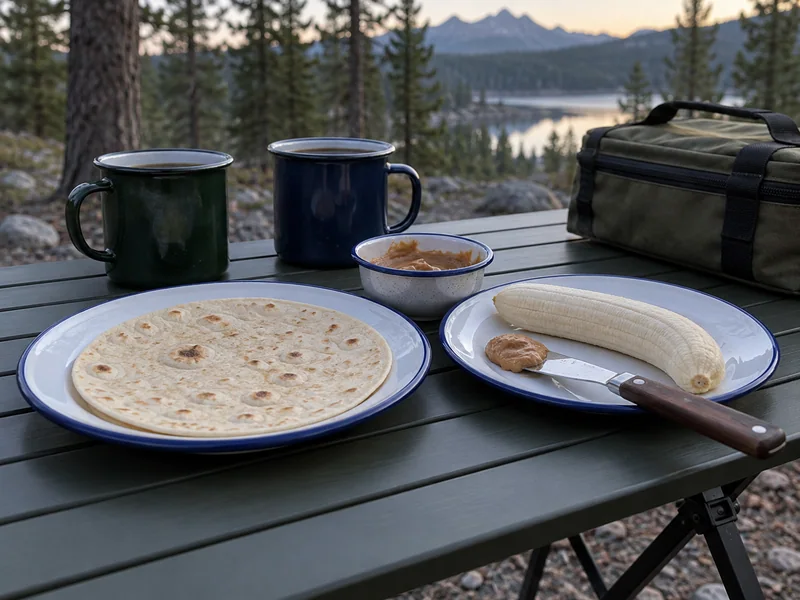
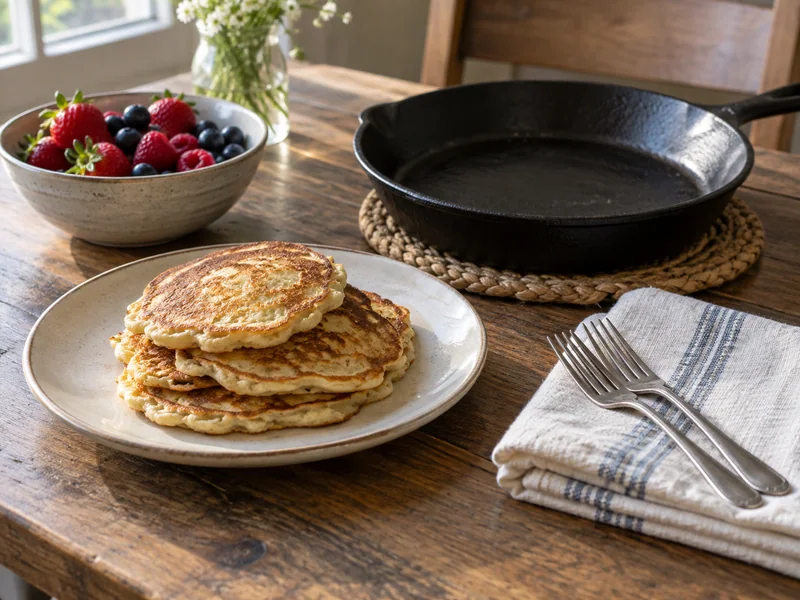
AI-generated illustration: a conceptual early-start breakfast, not a tested recipe or timed routine.
Choose camping breakfast by the work you can finish before leaving. Bread or tortillas with a suitable spread and whole fruit can suit a no-cooler morning; yogurt, overnight oats and cooked eggs need dependable cold storage. Instant oatmeal needs the heat specified on its package, while pancakes, egg wraps and skillet breakfasts need a cooking and cleanup plan. Count coffee, serving batches and washing when choosing between them.
A good camping breakfast fits the morning after it. Pancakes can be a pleasant reason to stay at the picnic table, but a pan that still needs washing is awkward when everyone is ready to drive away. Before choosing food, decide when the kitchen has to be packed.
The 12 ideas below cover meals you can assemble cold, prepare ahead or cook at camp. Each includes the job that may hold up the morning. They are meal-planning suggestions, not tested recipes: use familiar recipes and the instructions on your actual ingredients for amounts and preparation.
Find a breakfast that fits your morning
Start with three questions: do you have reliable cold storage, can you use heat, and does everyone want to eat together? Include coffee and cleanup in the answer. A breakfast with little active cooking can still create several rounds of serving and washing.
In this table, cold storage refers to ingredients or prepared food that must stay refrigerated. A pantry option works only when every ingredient’s label and storage conditions permit it. Chilled toppings can change that choice.
| Idea | A useful morning for it | Cold storage | Work left at camp | Cleanup to include |
|---|---|---|---|---|
| 1. Peanut butter and banana tortilla | Packing up or eating at different times | Not for ingredients labeled for your unrefrigerated conditions | Peel, spread, roll and contain waste | Spreading utensil, plate if used and peel waste |
| 2. Yogurt, granola and fruit bowl | A quiet breakfast without lighting the stove | Yes, for yogurt and any prepared fruit requiring it | Portion and add the dry topping | Bowls or containers, spoons and fruit-prep tools |
| 3. Hard-cooked egg and pita plate | A savory breakfast with little assembly | Yes, for cooked eggs | Serve the chilled components | Plates, any cutting tools and egg shells |
| 4. Overnight oats | A morning when breakfast should already be assembled | Yes, during preparation, transport and storage | Retrieve, add any separate topping and eat | Eating containers, lids and spoons |
| 5. Cereal with a suitable milk carton | A simple pantry-based departure breakfast | Depends on the exact carton and what remains after opening | Open, pour and finish or refrigerate the remainder | Bowls, spoons and empty packaging |
| 6. Instant oatmeal with dried fruit | A morning when hot water is available | Depends on the liquid and additions | Prepare by the package’s hot-water directions | Heating vessel, bowls and spoons |
| 7. Scrambled egg tortillas | A cooked breakfast with a short ingredient list | Yes, for eggs and chilled additions | Cook eggs fully, fill tortillas and serve | Pan, mixing tools and raw-egg work area |
| 8. Bean and cheese quesadillas | A slower savory breakfast using a familiar pan | Yes, for refrigerated cheese and any opened beans requiring it | Fill, cook in suitable batches and serve | Pan, turning utensil and filling tools |
| 9. Potato and bean breakfast hash | A camp morning with room for a skillet meal | Yes, for potatoes cooked ahead and other perishable ingredients | Reheat or cook components as required, then serve | Skillet, stirring tool, thermometer and plates |
| 10. Pancakes with fruit | A morning when successive pan batches are welcome | Depends on the mix, remaining ingredients and toppings | Mix, cook and serve in batches | Mixing bowl, batter utensil, pan and plates |
| 11. French toast | A slower breakfast with space for dipping and cooking | Yes, for the egg-and-milk mixture | Prepare the mixture, dip and cook fully | Dipping dish, raw-egg tools, pan and plates |
| 12. Make-ahead egg muffins | A hot breakfast when you can reheat and check the center | Yes, for the cooked egg portions | Reheat thoroughly and verify the temperature | Reheating cookware, thermometer and serving dishes |
Pick an alternative for the morning when your first choice cannot work. That might mean changing the food, rather than adding another pan or a larger cooler to support one breakfast.
No-cook camping breakfasts for early starts
Here, no-cook means no cooking or reheating at camp. It does not mean the ingredients are raw or can be kept outside a cooler. For a whole day built around this approach, use the no-cook camping meal guide.
1. Peanut butter and banana tortillas
Pair tortillas with a peanut butter whose label permits your planned storage, and peel the banana when you assemble breakfast. Choose bread instead if that is what your group already enjoys. Keep the spread portion and a suitable utensil together so breakfast does not require unpacking the main cooking box.
This suits staggered departures: each person can assemble a portion when ready. The important check is the actual spread, including any refrigeration instruction. If someone cannot eat peanuts, choose a suitable alternative only after checking that person’s needs and the product label. A substitution can change both allergens and storage requirements.
2. Yogurt bowls with granola and fruit
Use the yogurt quantity you normally eat, then pack granola separately so each person can add it at the table. Bring fruit in the form you can handle that morning. Whole fruit may need washing or cutting; fruit prepared ahead may add a cold-storage requirement.
Decide whether the yogurt container has room for the toppings. If not, put bowls beside the breakfast supplies. For a group, set out the amount being served and keep the remaining yogurt cold instead of leaving one large tub on the table while everyone gets ready.
3. Hard-cooked eggs with pita and cucumber
Cook the eggs fully at home, refrigerate them promptly and carry them cold. Serve with pita and cucumber prepared just before eating or stored appropriately after cutting. This gives people a savory option without a morning frying pan.
Label the eggs with the cooking date. The federal cold storage chart lists one refrigerated week for hard-cooked eggs at 40°F or below. That week starts when they were cooked, not when the camping trip begins. Keep peeling waste contained, and check that breakfast’s eggs have not been counted again for lunch.
4. Overnight oats prepared and kept cold
Use an established overnight-oats recipe suitable for your oats and ingredients. Assemble it in clean containers at home and refrigerate for the recipe’s required preparation period. Transport and keep the finished portions cold. Overnight oats are not a reason to leave a milk-and-oat mixture on the picnic table overnight.
For a specific example, Quaker’s PB&J overnight oats uses its old-fashioned oats and specifies at least eight hours in a refrigerator at 40°F or below. It recommends eating that preparation within 24 hours for best results. Follow the complete recipe if you choose it; those directions are not a universal storage period for every overnight-oats combination.
Choose a container you can eat from, with enough room for stirring and any topping. A narrow jar can be awkward with a short spoon. Keep the morning’s portions accessible in the cooler, and record the preparation date and storage instructions with them. The advantage here is moving mixing and portioning out of departure time.
5. Cereal with an unopened shelf-stable milk carton
Check that the exact milk is labeled for storage without refrigeration before opening. A small carton is not automatically shelf-stable, and shelf-stable does not mean it can tolerate any temperature inside a parked car.
Organic Valley’s 1% single-serve milk is one named example: the page gives a 33–85°F storage range for the unopened aseptic product and requires refrigeration after opening. Its shelf-stable milk explanation confirms that this type can be drunk without chilling first. Check the package you buy; these conditions do not apply to all milk cartons.
Before opening it, decide how much will go into the cereal and what will happen to the rest. A single carton might be shared at one breakfast, or the remainder might be drunk with the meal. If the unused contents require refrigeration and you cannot provide it, choose a different package or breakfast. Count the bowl, spoon and open carton in the pack-up job.
Hot breakfasts when you can use the stove
Check the campsite’s current rules and the actual stove instructions before relying on a cooked breakfast. Keep cooking outdoors in a suitable setup. The camp kitchen setup guide helps arrange preparation, cooking, serving and washing around the available space.
6. Instant oatmeal with dried fruit
Choose instant oatmeal with a preparation method you can follow at camp. Pack the dried fruit or other suitable toppings separately, and measure the water for the number of portions you will make. If using milk, its storage becomes part of the breakfast plan.
Read the method, not just the word “instant.” For example, Quaker Instant Oatmeal Original lists up to 1/2 cup of hot milk or boiling water per packet for its hot preparation, while its microwave method uses up to 2/3 cup of cold liquid. Use the full instructions on your packet. Those quantities illustrate why the methods are not interchangeable; they are not a camp-tested yield or a universal amount for other varieties.
Include the coffee water in the morning’s total, but keep enough available for the oatmeal before serving the drinks. A packet and a spoon do not remove the need for a suitable heatproof bowl or for cleaning it afterward.
7. Scrambled egg tortillas
Prepare the tortillas, serving plate and any ready-to-eat toppings before handling raw eggs. Cook the eggs fully, then fill and serve. This can keep the hot part of breakfast focused on one main ingredient, provided you have not added a second cooked filling.
The FDA’s egg-safety guidance says scrambled eggs should not be runny and calls for cleaning hands, equipment and work surfaces after raw-egg contact. Keep the raw-egg mixing utensil away from finished fillings. With several eaters, check the suitable pan capacity and plan batches instead of crowding it to serve everyone at once.
8. Bean and cheese quesadillas
Start with ready-to-eat canned beans or another bean product whose preparation directions fit the plan, plus tortillas and refrigerated cheese. Portion the filling before heating the pan. Keep it manageable enough to turn the quesadilla without spilling the contents across the cooking area.
This is a useful savory choice when you prefer to avoid handling raw eggs that morning. The tradeoff is pan space: only the amount that fits can cook at once. Serve in rounds or choose another breakfast if everyone needs to eat together. Refrigerate opened beans as their label requires, and use the applicable reheating guidance if the filling includes cooked leftovers.
9. Potato and bean breakfast hash
Choose either potatoes prepared fully at home and kept cold, or a shelf-stable commercial potato product with directions you can complete on your stove. Add suitable beans and vegetables according to a familiar hash recipe. Those routes can require quite different work, so write down which you mean before packing.
Cooked potatoes do not become pantry food because they will be reheated later. If you use chilled leftovers, plan to reheat them to the safe temperature described below. Check the recipe and pan together: stirring a heavily loaded skillet may be awkward even when the ingredients appeared to fit while cold.
10. Pancakes with fruit
Measure the dry ingredients for your familiar recipe at home, or choose a packaged mix whose preparation you can follow. List every remaining addition on the bag. Some mixes need eggs and milk; others offer a water-only method. The toppings may need refrigeration even when the dry mix does not.
As one product example, Krusteaz Buttermilk Pancake Mix gives a water-only batter method and calls for a lightly greased cooking surface. Its ingredient information lists wheat and milk. Adding only water does not make a mix dairy-free or remove the need for suitable cooking fat and utensils.
Pancakes fit a morning when someone wants to stay at the pan. Decide whether people will eat in rounds and set out the plates and toppings first. The number of pancakes that safely fit your pan matters more to the serving sequence than a claimed quick preparation time. Include the mixing bowl and batter utensil in cleanup.
11. French toast
Use your usual fully cooked French toast recipe and a pan suitable for the stove. Bring a shallow container large enough for dipping the bread, and reserve a separate clean plate and utensil for the cooked pieces. Keep egg and milk ingredients cold until needed.
This choice adds a dipping step and raw-egg cleanup that pancakes made with a suitable water-only mix may avoid. It works best when the preparation area can stay organized through successive batches. Cook the egg-containing food thoroughly using the applicable temperature guidance below; browned bread alone does not tell you the center is ready.
12. Make-ahead egg muffins
Use a familiar recipe to cook the egg portions fully at home, then cool and refrigerate them promptly in suitable shallow containers. Label the cooking date. Check that the recipe provides a reheating method you can actually perform with your camp equipment; a microwave instruction is not a camp-stove method.
For leftover cooked egg dishes, the FDA’s egg-safety guidance specifies three to four days under refrigeration at 40°F or below. Time at home counts. Reheat thoroughly to 165°F and check with a food thermometer. If your setup cannot reliably heat the center, choose another breakfast rather than serving a warm exterior around a cold middle.
Keep the breakfast’s storage and cooking checks together
You do not need to memorize a different rule for every meal, but you do need to know which ingredients require refrigeration and which are being cooked or reheated. Keep the package directions with the breakfast plan.
| What you are handling | Check before serving |
|---|---|
| Chilled ingredients and prepared breakfasts | Keep at 40°F or below, including transport; use a cooler thermometer |
| Refrigerated food at the table | Keep it out only while needed; discard after more than two hours without temperature control, or one hour when the air is above 90°F |
| Eggs cooked from raw | Cook until yolk and white are firm; scrambled eggs should not be runny |
| Egg dishes such as egg muffins or French toast | Reach 160°F; check with a food thermometer. Egg casseroles containing meat or poultry require 165°F |
| Previously cooked leftovers being reheated | Reach 165°F, including the center |
| Milk, spreads, prepared fillings and partly used packages | Follow the exact label’s storage and after-opening instructions |
The FDA’s outdoor food guidance covers cold holding, cross-contamination and the time limits above. Use FoodSafety.gov’s cooking chart for the relevant food, especially when adding ingredients to an egg dish. Returning food to the cooler does not reset time already spent without temperature control.
Keep raw-egg work separate from ready-to-eat toppings. Wash produce with potable water as appropriate, and keep chilled ingredients cold until you need them. The camping food storage guide covers the wider cooler, pantry and campsite storage plan. If your choice depends on refrigeration you cannot maintain, change the choice before departure.
Plan the burner, serving and cleanup sequence
Work backward from when the kitchen must be packed. Assign these jobs before breakfast starts:
- Retrieve only the ingredients for the meal, along with clean serving dishes.
- Prepare cold toppings and set out the serving area before raw-egg work.
- Heat water for the drinks or hot cereal in an order that leaves the burner available for food.
- Cook and serve in the planned batches, returning unused perishable ingredients to cold storage promptly.
- Put food away, complete the permitted washing and drying routine, and let equipment cool as its instructions require before packing.
The camping coffee setup guide helps count brewing runs and hot water separately from breakfast. Two people waiting for coffee can occupy the same pot that the next meal step needs. Decide that order at home, when changing the menu is easy.
For pancakes or French toast, agree on whether everyone is comfortable eating in turns. For a mixed group, keep toppings separate so people can choose from suitable ingredients without requiring a second cooked meal. Ask about food needs before shopping and keep relevant labels available. Shared pans and utensils matter when someone has an allergy; a renamed dish does not establish that it is suitable for them.
Try a three-morning plan before buying more equipment
Here is a planning example for two adults. It shows different jobs across the trip, without prescribing portions or claiming a tested menu. Change the ingredients to fit the people, labels, weather and facilities.
| Morning | Example breakfast | What to settle before leaving home | Work that must finish before moving on |
|---|---|---|---|
| First morning, early activity | Chilled overnight oats | Recipe, preparation date, cold storage and each person’s portion | Retrieve, eat, store any remainder appropriately and wash the containers |
| Second morning, staying at camp | Scrambled egg tortillas | Eggs kept cold, suitable pan, serving order and coffee sequence | Complete cooking, put food away and clean raw-egg equipment and dishes |
| Final morning, packing the kitchen | Tortillas, a suitable peanut butter and bananas | All ingredients’ storage conditions, dietary suitability and amount needed | Assemble, contain waste and clean any used utensil before stowing it |
For two people eating once on each of three mornings, you are planning six person-breakfasts. That is a count of eating occasions, not six identical food portions. Allocate the amount each person normally eats to the chosen breakfast, then add coffee, toppings and any second servings separately.
If the same tortillas appear on the second and final mornings, reserve the final breakfast’s quantity before opening extras for another meal. The three-day camping meal plan connects breakfast to the rest of the trip; the camping grocery worksheet helps turn your chosen amounts into a purchase list. Neither a package’s serving count nor a sample menu establishes the right appetite for your group.
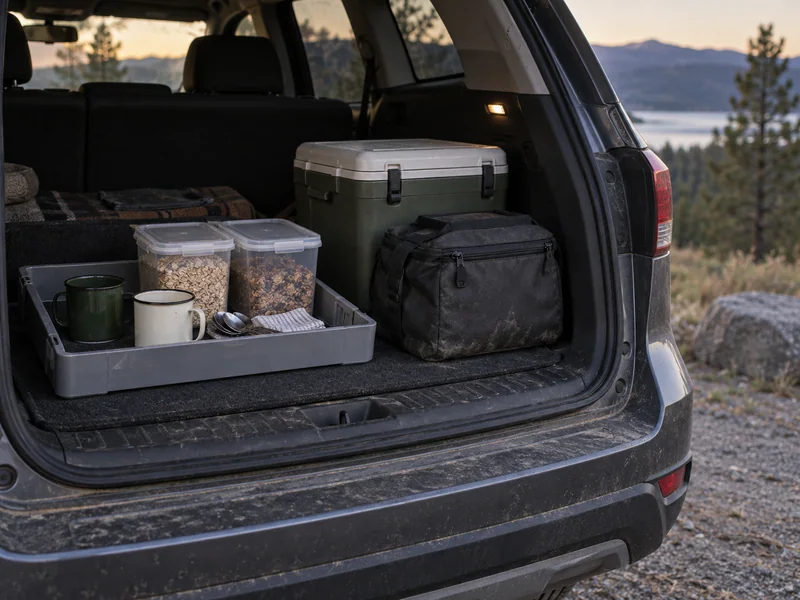
Pack tomorrow’s breakfast before tonight’s kitchen closes
Move useful preparation home using the make-ahead camping meal guide. At camp, finish by checking where the next breakfast is stored and what has already been opened. Keep food in the campsite’s required storage overnight, including scented supplies and waste.
Use this short card for each morning. Leave an unresolved item marked unknown rather than assuming it will be available.
| Decision | Your morning plan |
|---|---|
| People eating, dietary needs and chosen breakfast | ________ |
| When food should be served and the kitchen packed | ________ |
| Home preparation, preparation date and recipe or product directions | ________ |
| Refrigerated ingredients, storage deadline and cold-storage location | ________ |
| Pot, pan, utensils and serving batches | ________ |
| Coffee and hot-water order | ________ |
| Portions reserved from shared ingredients | ________ |
| Unused food and opened-package plan | ________ |
| Washing, drying, waste disposal and person responsible | ________ |
| Breakfast to use if heat or cold storage is unavailable | ________ |
Rehearse the routine with the actual equipment if the timing matters. Start with supplies packed and finish after the required cleanup, using the same start and finish points when comparing choices. Record your own observations; this guide does not assign unmeasured preparation or cleanup times.
The camp dishwashing routine helps you account for the last part of that morning. A breakfast is ready for departure when the people have eaten, the food is stored properly, and the kitchen can be packed without leaving unfinished work for the next stop.
Sources & further reading
Use these original sources for the full context and the latest guidance.
- FDA: Handling food safely while eating outdoors (opens in a new tab)
- FDA: What you need to know about egg safety (opens in a new tab)
- FoodSafety.gov: Cold food storage chart (opens in a new tab)
- FoodSafety.gov: Safe minimum internal temperatures (opens in a new tab)
- Quaker: Instant Oatmeal Original (opens in a new tab)
- Quaker: PB&J Overnight Oats (opens in a new tab)
- Organic Valley: Organic 1% Low Fat Milk, Single Serve (opens in a new tab)
- Organic Valley: What is shelf-stable milk? (opens in a new tab)
- Krusteaz: Buttermilk Pancake Mix (opens in a new tab)
Prepared with AI assistance. Read our editorial approach.
This is a researched planning guide, not a report of a hands-on product test.
Last updated .