How to Wash Dishes While Camping with a Simple Setup
Plan a camp dishwashing routine around your water supply, local rules, and cookware. Set up washing and drying areas and handle food scraps responsibly.
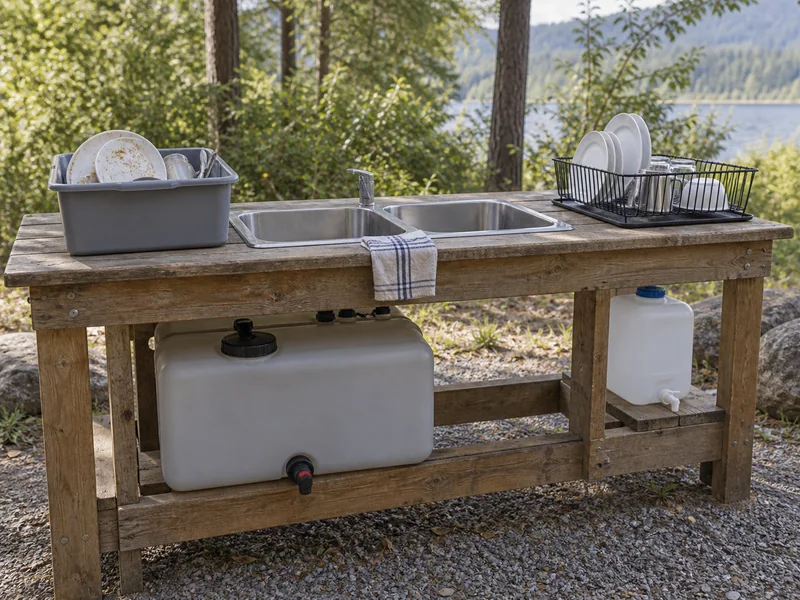
AI-generated illustration: a conceptual dishwashing setup; location and disposal must follow campground rules.
To wash dishes while camping, confirm the permitted washing place and wastewater destination first. Remove food scraps, wash with suitable dish soap and hot water, rinse with clean potable water, and dry the items according to their care instructions. Keep dirty equipment separate from clean dishes, and follow the product label if your routine includes sanitizing.
The dishes are easier to deal with when the last step is settled before the first plate gets wet. Find out where the used water goes, set aside a clean drying space, and keep the food-scrap container nearby. Otherwise, a washed pan can leave you holding a full basin with nowhere permitted to empty it.
This guide covers everyday dishwashing at a campground with your own cookware. It includes a working sequence, two examples of different campground rules, and a blank water-use log. Adapt the routine to the actual facilities and product instructions. The log contains no measured water-saving or equipment-test results.
Confirm two places: where to wash and where to empty water
Look for the campground’s current instructions, then confirm them with the host or ranger if anything is unclear. A restroom sink, drinking-water faucet, dishwashing sink and wastewater disposal sink can have different purposes.
These two National Park Service examples show why a generic instruction to “use the sink” is not enough. They were checked on September 9, 2026; check the destination again for your own travel dates.
| Campground | Where its published guidance says to wash | Restriction that changes the setup |
|---|---|---|
| Fruita, Capitol Reef National Park | Wash dishes at your campsite | Collect the wastewater and take it to gray-water disposal sinks. Washing at those disposal sinks, restroom sinks or spigots is prohibited. |
| Platte River, Sleeping Bear Dunes National Lakeshore | Use the designated camp sinks at the restrooms for dishes | Washing at outdoor water faucets is prohibited. Identify the actual camp sink rather than treating every faucet or restroom basin as interchangeable. |
Read the full Fruita campground regulations or Platte River Campground guidance when visiting either location. These examples do not establish the rules at another campground.
Fill in this short site card before unpacking:
| Detail to confirm | Your campsite information |
|---|---|
| Potable water source and whether it is operating | ________ |
| Permitted washing location | ________ |
| Destination for collected dishwater | ________ |
| Disposal instructions for food scraps and any cleaning chemicals | ________ |
| Hours, access limits or temporary closures | ________ |
| Official source, person consulted and date checked | ________ |
If the washing station is closed or disposal remains unclear, ask for the permitted alternative before producing a basin of wastewater. Do not use a nearby storm drain, toilet or patch of ground simply because it is convenient.
Pack for the process you will use
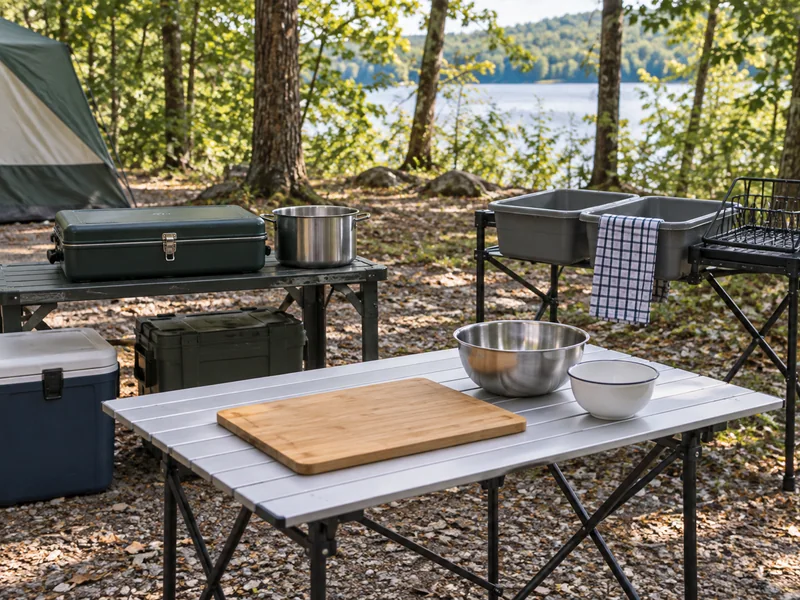
For washing at your site, separate washing, clean rinsing, drying and wastewater collection. Two suitable basins can provide wash and rinse spaces; a controlled pour of rinse water over a catch container is another arrangement to assess. A sanitizing stage, when included, has its own requirements. The number of containers follows the process.
Check that the largest pan can be handled without tipping a basin or splashing the clean area. If you will carry used water to a disposal point, choose a suitable container you can close and carry without spilling. Keep it clearly separate from drinking-water storage.
| Job | What to have ready | Practical check |
|---|---|---|
| Remove scraps | A cookware-safe scraper and a contained trash destination | Scraps can go straight into waste without passing through the wash basin |
| Wash | A suitable basin or designated sink, dish detergent and a compatible brush or sponge | The cleaner and tool suit the cookware; the workspace is stable |
| Rinse | Clean potable water and a separate rinse space | Dirty dishes cannot fall or drip into the clean water supply |
| Sanitize, if your procedure calls for it | A product labeled for the intended food-contact use and everything its directions require | Dilution, contact time, temperature, measuring and any rinse requirements can all be followed |
| Dry | A clean rack or suitable clean surface, plus material-specific care supplies | Clean dishes have room to drain without touching used equipment |
| Collect and remove wastewater | A suitable collection container and a strainer where appropriate | You can carry it to the confirmed destination and handle trapped scraps |
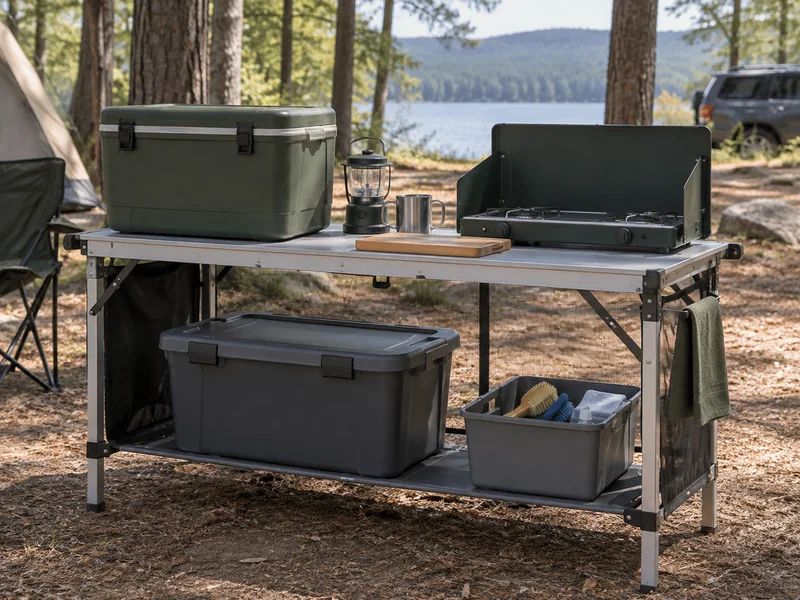
Add these items and their packed locations to your car camping checklist. For the rest of the outdoor cooking area, use the camp kitchen setup guide; this routine begins when the meal leaves you with used dishes.
Follow the dishes from dirty to ready for storage
Keep a clear direction of travel across the work area. Used items arrive at one side, pass through the cleaning steps, and finish in a place reserved for clean equipment. Moving a dish backward means checking what it touched before returning it to the clean side.
1. Put food away and remove loose scraps
Deal with leftover food under your camping food storage plan before a long cleanup. Keep foods and clean serving equipment out of the splash area.
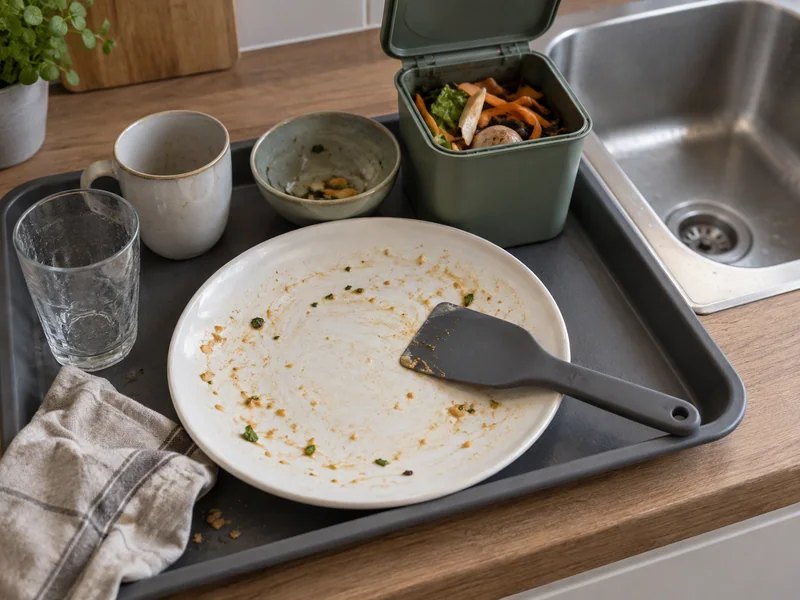
Scrape loose food into the appropriate waste container. Let cookware cool as required by its instructions before handling or cleaning it. Remove as much residue as you can with a suitable tool, including what is caught around handles or rims. Collect excess cooking grease for the approved waste route instead of adding it to the basin.
Coffee adds a smaller job that is easy to overlook. Remove used filters and loose grounds before washing the brewer, then clean its parts according to the manufacturer’s instructions. The camping coffee kit comparison shows which pieces and waste each method adds to the morning routine.
A plate can look mostly empty and still carry a spoonful of sauce. Removing that residue now makes the washing job more manageable. Do not burn scraps or wash them into the ground as a shortcut.
2. Wash with the right cleaner and tool
Wash your hands before handling clean equipment. FoodSafety.gov advises washing dishes, utensils and boards with hot, soapy water, especially after contact with raw meat, poultry, seafood or eggs. Keep those used items away from clean dishes and ready-to-eat food.
Use dish detergent according to its directions and a brush or sponge compatible with the surface. Work over the entire item, including lips, handles and the undersides that will touch other dishes when stacked. Start with less soiled items and keep grease-heavy pans from turning every other item into a second washing job.
Refresh dirty washwater as needed. Do not keep using a visibly dirty basin simply to meet a water-saving target. Handle hot water safely and never put your hands into scalding water. If you heat water on a camp stove, follow its outdoor operating instructions and keep the pouring route clear.
3. Rinse with clean water
Rinse away the loosened residue and detergent using potable water. Keep rinse water separate from the washing supply and replace it when it becomes dirty or soapy. If you rinse by pouring, catch the runoff rather than letting it drain across the campsite.
Check the inside of cups, utensil joints and pan handles before moving them onward. A dish with food still attached goes back for cleaning. A greasy or soapy rinse is unfinished work, even if the visible scraps have gone.
University of Minnesota Extension’s sink guidance distinguishes removing dirt and grease from sanitizing, and calls for thorough rinsing after washing. A quick dip does not automatically complete both jobs.
4. Follow a defined sanitizing step when needed
If the campsite, group procedure or applicable food-service rules call for sanitizing, plan it before leaving home. Cleaning and rinsing come first. Choose a product whose label covers your intended food-contact surfaces and method; a hand sanitizer or general cleaning spray is not interchangeable with a dish-sanitizing product.
Follow the exact label for concentration, water temperature, contact time, protective measures, solution replacement and any final potable-water rinse. Use the specified measuring or testing equipment. Keep cleaning products separate: the CDC warns against mixing bleach or disinfectants with other cleaners. Do not pour leftover sanitizer into another cleaning solution to save a container.
The EPA’s labeling guidance explains that a shorter exposure cannot replace a sanitizer’s labeled contact time. Keep the relevant instructions with the product. A universal bleach-to-water recipe would skip details that depend on the actual formulation and intended use.
Likewise, pouring some hot water over a dish is not a verified heat-sanitizing procedure. Do not describe dishes as sanitized unless the required method has been followed. Organized food service may have additional requirements beyond this personal camping routine.
5. Dry without undoing the cleaning
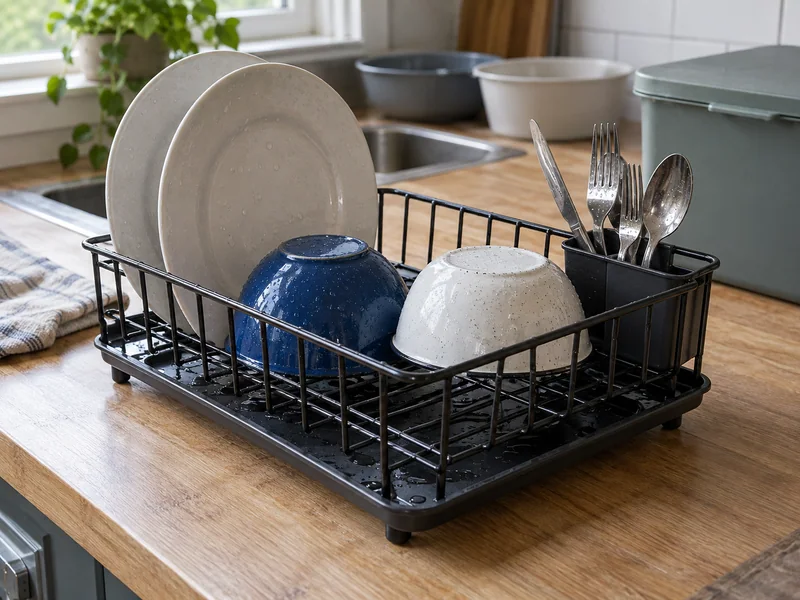
Place ordinary dishes and utensils on a clean rack with room to drain and air-dry. Keep them away from dirty hands, splashwater and food scraps. The University of Minnesota Extension guidance recommends a clean drying rack and air-drying to avoid transferring contamination from a towel.
Cookware can need different treatment. For its seasoned cast iron, Lodge permits soapy washing, directs complete drying with a paper towel or lint-free cloth, and calls for a thin layer of oil. It warns against soaking and leaving the pan to air-dry because of rust. Follow the care instructions for your exact pan, including its coating, rather than applying one drying rule to everything.
Store items only when the cleaning and required drying are complete. If departure interrupts the process, keep unfinished equipment separate and finish before using it again. Nesting a damp pan inside a clean bowl makes the whole stack harder to manage.
Dispose of dishwater according to the location
Keep scraps out of the disposal system. Where straining is appropriate, collect the solids and put them in the permitted trash stream. Clean the strainer afterward; it belongs with the used cleaning equipment until that job is finished.
At a developed campground, take collected water to the specific approved point and follow its signs. That may require carrying it away from the place where you washed. Chemical solutions also need the disposal method on their labels and any local instructions; do not assume every solution can be emptied together.
Why the 200-foot advice is not a universal disposal rule
Leave No Trace describes carrying washwater away from lakes and streams, straining dishwater and managing scraps. Its general outdoor guidance uses a distance of 200 feet from water sources, while its developed-campground advice directs campers to ask the host about disposal.
That distance does not override a campground’s collection requirement or authorize dumping on any ground beyond it. The same guidance notes that biodegradable soap can still affect water quality. Keep washing out of natural waterways, and follow the land manager’s instructions for the place you are visiting.
Record the water your own routine uses
There is no measured “liters per meal” figure in this guide. A useful allowance depends on your dishes, food residue, cleaning method and required rinses. Practice the routine at home with the actual kit, then record what you draw from the clean supply.
Use one unit throughout the log. Count newly drawn water once. Moving the same water between containers is a transfer, not another draw from the supply. Keep drinking and cooking water in a separate trip budget.
| Stage | Fresh water drawn, in your chosen unit | Reason for any extra draw | Observation for next time |
|---|---|---|---|
| Washing, including replacement washwater | ________ | ________ | ________ |
| Rinsing, including fresh replacement water | ________ | ________ | ________ |
| Sanitizing and any label-required rinse, if used | ________ | ________ | ________ |
| Cleaning the basins, brush, strainer and drying area | ________ | ________ | ________ |
| Handwashing during cleanup | ________ | ________ | ________ |
| Total newly drawn water | ________ | Unresolved needs: ________ | ________ |
Record the meal, number of people and cookware beside the table. For a row you did not use, write N/A with the reason; do not treat an unknown requirement as zero. The total is the sum of the fresh-water entries, not the sum of every container’s capacity.
Use the observations to remove unnecessary work: scrape more thoroughly, choose a suitable pan or reduce extra serving vessels. The one-pan meal planning guide helps identify dishes that still need washing even when only one cooking pan is used. Reducing equipment is useful only when the remaining items can still be cleaned properly.
Solve the problem before packing the kit away
| Problem | Next step |
|---|---|
| The basin is greasy after the first pan | Improve scrap and grease removal; replace washwater and clean affected items again |
| Clean dishes still have soap on them | Review the detergent amount and complete the rinse with clean water |
| The clean rack has been splashed | Clean it again as needed before putting finished dishes on it |
| The largest pan will not sit securely in the basin | Change the container or handling arrangement before washing with hot water |
| The disposal point is closed | Ask the operator for the approved alternative; keep wastewater contained in the meantime |
| Water is running short | Stop adding used dishes, secure the unfinished equipment, and arrange enough potable water to finish |
| A brush or sponge stays dirty after rinsing | Clean or replace it as appropriate; let reusable cleaning tools dry before storage |
At the end, check the work area for scraps, complete the approved disposal, and clean the containers and tools. Keep reusable brushes or sponges in a place where they can dry, then store the kit clean and dry for the next meal. A basin packed while still holding residue simply moves tonight’s cleanup into tomorrow’s breakfast.
Sources & further reading
Use these original sources for the full context and the latest guidance.
- Capitol Reef National Park: Campground regulations (opens in a new tab)
- Sleeping Bear Dunes National Lakeshore: Platte River Campground (opens in a new tab)
- Leave No Trace: Dispose of waste properly (opens in a new tab)
- FoodSafety.gov: Four steps to food safety (opens in a new tab)
- University of Minnesota Extension: Sink essentials for your home kitchen (opens in a new tab)
- EPA: Pesticide labeling questions and answers (opens in a new tab)
- CDC: Cleaning and disinfecting with bleach (opens in a new tab)
- Lodge: How to clean cast iron (opens in a new tab)
Prepared with AI assistance. Read our editorial approach.
This is a researched planning guide, not a report of a hands-on product test.
Last updated .