Plan a Slow Coastal Road Trip with Flexible Travel Days
Build a flexible coastal road trip around a few bases, realistic driving days, and backup stops. Use a planning table to leave room for weather and rest.
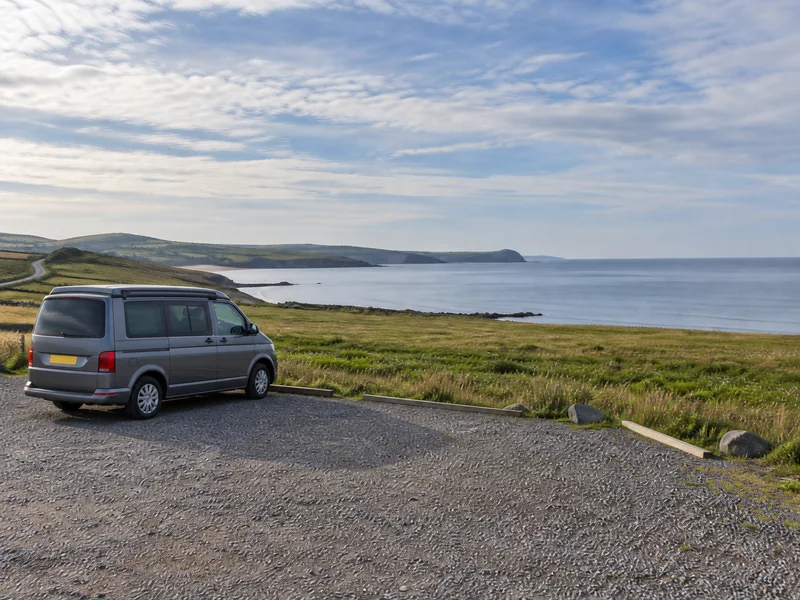
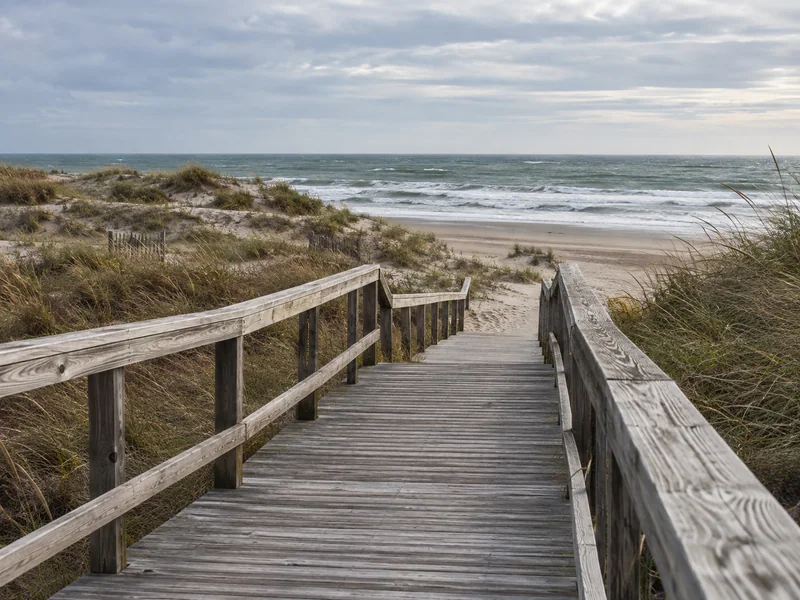
AI-generated illustration: an imagined coastal stop, not a documented destination or overnight recommendation.
Choose a manageable stretch of coast, verify a few overnight bases, and give each day one main purpose. Add the time needed for packing, supplies, arrival, and rest before adding optional stops. This is a planning method with blank worksheets, not a report from a route we have traveled.
Choose the shape before the stops
Count all the days you have, including travel to the coast and the return home. Then choose the main reason for the trip: beach time, coastal walks, small-town food stops, or simply a few days away. Use that purpose to decide which detours belong.
A place can be appealing without fitting this trip. Save optional ideas separately from bookings and essential travel. That keeps an interesting map from turning into a schedule you feel obliged to complete.
| Route shape | When it may fit | What to account for | Question before booking |
|---|---|---|---|
| Out and back | You want to return to the same starting point and keep logistics simple | Repeated driving and the time needed to return | Can you use the outward and return days differently without crowding them? |
| Loop | Suitable roads connect the places you want to visit | Inland connections, road conditions, and extra distance | Is the return section worthwhile for this trip’s purpose? |
| One way | Your transport and final destination support a different endpoint | Vehicle return terms, onward travel, and any added fees | Are the endpoint arrangements confirmed? |
Write your boundary in one sentence: “We have ________ days, want mainly ________, and must be back at ________ by ________.” Keep that sentence beside the map as you choose stops.
Build around a few overnight bases
Compare staying another night at one base with moving to the next. A move uses time for packing, driving, groceries or fuel, check-in, and settling in. The practical base with appropriate facilities may give you more time outside than a scenic stop that adds complicated arrivals.
Confirm each overnight option directly with its operator or responsible authority. Check opening dates, booking requirements, vehicle dimensions, permitted overnight use, arrival times, and the facilities you depend on. A map’s parking symbol or another traveler’s photo does not establish permission to sleep there.
Overnight booking record
Copy or print this blank record for each proposed base. Mark facts as confirmed only after checking the official source, and note the date. Store reservation numbers privately in your trip notes.
| Detail | Your record |
|---|---|
| Base name, address, and operator contact | ________ |
| Nights required and availability checked | ________ |
| Overnight permission and booking source | ________ |
| Vehicle limits and access instructions | ________ |
| Check-in window and late-arrival instructions | ________ |
| Water, toilets, food storage, and charging relied on | ________ |
| Cancellation or change deadline | ________ |
| Alternative base and when to contact it | ________ |
| Date official details were checked | ________ |
Example assumption: you have three nights at the coast after the journey there. Two nights at a first base and one at a second require one change of base during that stay. Three different bases require two. This only counts moves; it does not prove which arrangement is better, or that either route exists. Compare what each extra move gives you before choosing it.
Budget the whole day
Keep the map’s driving estimate, then add the tasks around it. Include packing, rest breaks, supplies, finding legal parking, walking from the vehicle, and arriving within the booking window. Check actual road conditions and avoid making up time by driving when tired.
Consider this invented relocation-day calculation. The numbers are planning assumptions, not measured travel times or a recommended driving schedule:
| Part of the day | Hypothetical allowance |
|---|---|
| Breakfast cleanup and packing | 40 minutes |
| Map estimate for the driving segment | 95 minutes |
| Break | 20 minutes |
| Grocery stop | 30 minutes |
| Arrival and setup | 25 minutes |
| Total before the main outing and other meals | 210 minutes, or 3 hours 30 minutes |
The 95-minute drive occupies less than half of that block. Add the walk or activity you came for, other meals, and room for delay before deciding whether an extra viewpoint fits. When the day becomes crowded, remove an optional stop rather than shortening every visit.
Choose an easy dinner for a change of base. The one-pan pantry meal planner helps you check ingredients and cooking steps in advance. If the grocery stop includes perishables, fit shopping and refrigeration into the camping food storage plan; do not treat an all-afternoon sightseeing detour as part of getting food promptly into cold storage.
Make a plan you can change
Give each day a main activity, an optional extra, and a fallback. The fallback should be independently workable, with access or opening details checked. A second beach under the same hazard warning may not provide a useful alternative to the first.
Use this blank table for the whole trip, including the drive to the coast and home. Keep times realistic for your group rather than copying a pace from someone else’s itinerary.
| Day and overnight base | Driving estimate plus other travel tasks | Main activity | Optional stop or fallback | Official source and next check |
|---|---|---|---|---|
| ________ | ________ | ________ | ________ | ________ |
| ________ | ________ | ________ | ________ | ________ |
| ________ | ________ | ________ | ________ | ________ |
| ________ | ________ | ________ | ________ | ________ |
Write down the decision that would change each day: a closure, unsafe conditions, a missed arrival window, or simply the group needing rest. Record when you must decide so that a backup remains available. Changing a plan is easier before you have driven past the last practical alternative.
Check conditions where they matter
Use the road authority, land manager, weather service, and campsite operator for the details each controls. The National Park Service advises checking closures, fire restrictions, weather, reservations, and permits and preparing a backup. Check the actual destination again close to departure and when conditions change.
For beach visits, a general town forecast is only part of the picture. The National Weather Service’s beach guidance recommends checking official surf forecasts, advisories, and closures before leaving, as well as local weather and tides. A sunny forecast does not establish safe waves or currents.
Use the appropriate local station and date in NOAA’s tides and currents service for U.S. tide information. Tide predictions describe astronomical tides; weather can change actual water levels. NOAA explains that limitation in its tide prediction FAQ. A low-tide time alone is not clearance to attempt a shore route. Follow the land manager’s route-specific advice and closures.
Before a walk, save the route and emergency information you need, and share your plan with someone appropriate for the outing. If the coastal activity becomes unsuitable, choose the verified fallback or skip it. Keep booking flexibility where feasible so that weather does not force a rushed onward journey.
If a short trip is part of a possible move to longer-term travel, work through the full-time RV planning questions separately. Ongoing mail, work, appointments and location-specific obligations require more preparation than adding overnight stops to a weekend itinerary.
Keep the plan useful on the road
Put the next necessary decision at the top of your trip notes: where you are staying, the arrival deadline, and what needs checking first. Save maps, directions, booking details, and contact numbers for offline access. Update anyone relying on your itinerary when you make a meaningful change.
For nights spent in a tent beside your vehicle, use the car camping checklist to turn the confirmed campsite facilities into a packing plan.
If your devices depend on regular charging, use the camping power budget to check the interval between dependable charging opportunities. Do not assume a scenic stop or unconfirmed outlet will refill the equipment on schedule.
Review tomorrow over dinner with this checklist:
- The overnight base and arrival arrangements are confirmed.
- Road, weather, and local access updates have been checked.
- The main activity still suits the group’s energy and the conditions.
- The fallback is open, reachable, and appropriate.
- Food, water, fuel, and charging needs fit the day.
- Optional stops can be skipped without disrupting essential plans.
- Offline details and the shared itinerary reflect any changes.
Leave one line for a stop you decided to drop: ________. Keeping track of what you removed can help you see whether the trip is staying focused on the reason you wanted to go.
Sources & further reading
Use these original sources for the full context and the latest guidance.
Prepared with AI assistance. Read our editorial approach.
This is a researched planning guide, not a report of a hands-on product test.
Last updated .