Glamping Ideas That Fit Your Space and Packing Limits
Choose campsite comfort upgrades by packed size, setup effort, and actual use. Plan lighting, seating, and small conveniences without crowding your camp.
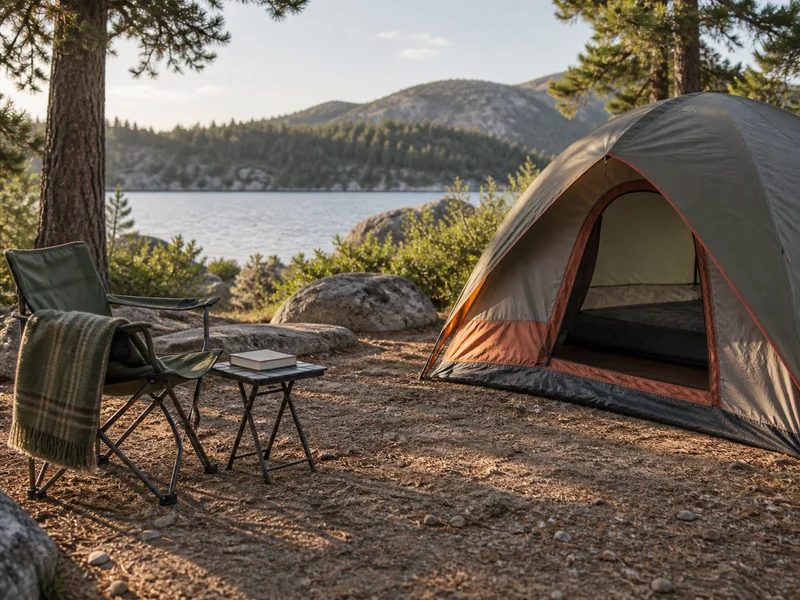
AI-generated illustration: a small comfort area works best when access stays clear.
Choose glamping ideas by the inconvenience they solve, then check packed size, setup work, storage and campsite rules. Start with a usable adult sleeping arrangement, comfortable seating and appropriate task lighting. Add small conveniences only when they fit the trip's available space and power. The worksheets help compare optional upgrades without claiming that any particular layout has been field tested.
A comfortable campsite does not need a second car full of decoration. It needs to work for the people using it. A chair that is easy to get out of can matter more than matching cushions. A light you can reach from bed can be more useful than a string of lights around the entire site.
These glamping ideas focus on optional improvements to an already suitable camping setup. Establish the essentials with the car camping checklist, then choose which daily inconvenience you want to remove. The comparisons and worksheets below are planning tools, not results from a packing trial or claims about a tested luxury campsite.
Give each comfort item a specific job
Start with a sentence: “I want this because it will make ______ easier.” Fill in an actual activity, such as reading after dinner, changing clothes or preparing the first cup of coffee. If the answer is only that an item looks good in a photograph, decide whether carrying and caring for it is worth that pleasure to you.
Next, identify everything the item needs. An inflatable adult mattress may need a compatible pump, suitable insulation, floor space and a way to keep it dry. A folding table needs a usable footprint as well as a place in the vehicle. An electric appliance needs a suitable supply, operating clearance and cleaning equipment.
Count the complete arrangement rather than the central object. This makes it easier to compare a small improvement with a larger purchase before either occupies the trunk.
| Comfort problem | Modest starting option | Larger option to evaluate | Space or work often overlooked |
|---|---|---|---|
| Nowhere convenient for a book or glasses | Existing bedside pocket or small reachable pouch | Compact bedside surface | Nighttime walkway and travel storage |
| Uncomfortable evening seating | Adjust the chair position and try a suitable chair at home | Different supportive chair with a side table | Folded length, carrying effort and ground suitability |
| Dim meal preparation area | Aim an appropriate battery task light at the work | Additional rated lighting for the task | Charging, glare and attachment restrictions |
| Clothes mixed with wet footwear | Separate dry clothing and footwear homes | A permitted changing or entry arrangement | Setup time, ventilation and weather limits |
| Too much breakfast unpacking | One breakfast pouch within the existing kitchen kit | Dedicated coffee or breakfast station | Duplicate containers, washing and food storage |
| Nowhere comfortable to read quietly | A book and personal light at an existing seat | A separate reading corner | Sharing the site and storing the additional furniture |
Use the larger option only if the smaller one leaves an important problem unresolved. There is no score to maximize and no requirement to upgrade every row.
Improve the adult sleep arrangement before adding decoration
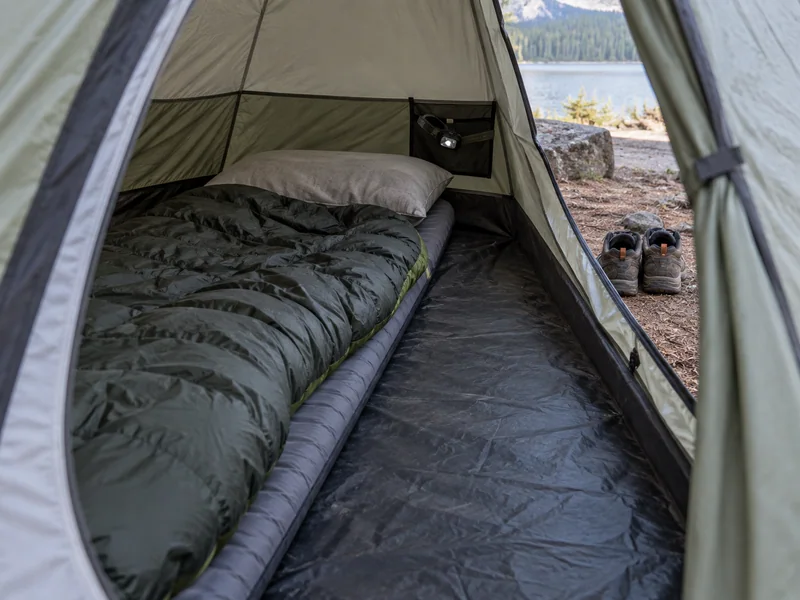
Check whether the existing sleeping surface fits the person and the shelter. Consider getting in and out, available headroom and how much of the floor remains usable. A taller adult sleeping setup can make dressing easier for one person while leaving another unable to sit upright beneath a sloping roof.
Choose an adult pillow and bedding arrangement that fits the expected conditions and the rest of the sleep system. Familiarity may be a reason to bring a home pillow, but its packed bulk and ability to stay dry still count. Do not assume decorative blankets replace a suitable sleep system for the weather.
Try the complete adult arrangement at home where possible. Lie down, turn over, reach the light and get up without moving another person’s belongings. Record the dimensions yourself rather than relying on a styled photograph. This guide does not assess infant sleep products or recommend adapting adult bedding for infants.
Keep the items needed at night in a single reachable place: a suitable light, glasses, required personal items and the next footwear. Avoid filling the path with spare bags just because they fit beside the mattress when nobody is moving.
Choose seating for the person who will use it
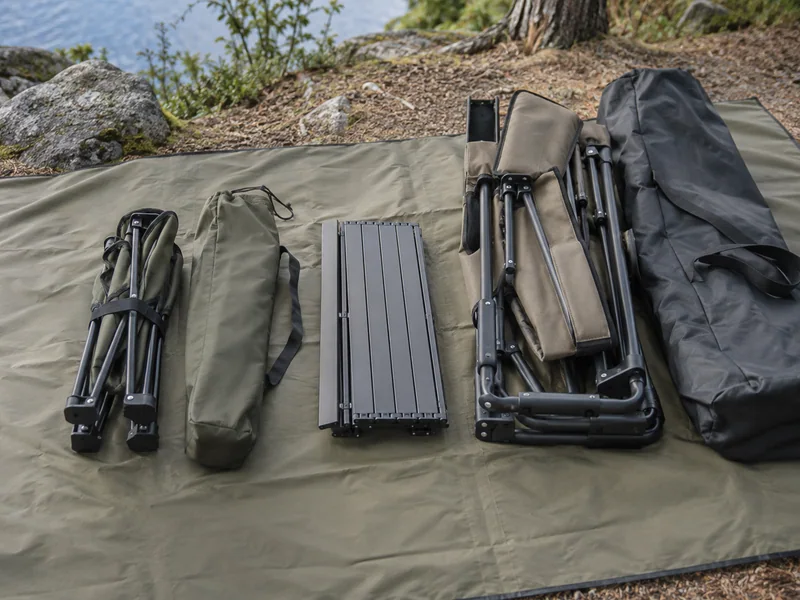
Seat height, support and the movement needed to stand up are useful questions to ask in person. If possible, sit in a candidate chair before taking it camping. Check the manufacturer’s intended use, capacity and setup instructions. A packed-size comparison cannot establish that a chair will be comfortable for a particular body.
Plan where the chair will actually go. Consider the intended campsite surface, required stability and available room without extending into a shared path. A recliner may need much more occupied space than a compact upright chair even when both fit in the vehicle.
Add a small table only if it provides a needed surface that the existing setup lacks. Verify that the selected item is appropriate for what will sit on it. Do not turn a decorative stool or fabric storage box into an improvised support for hot equipment.
Use light where a task needs it
Give each light a purpose: finding shoes, reading, preparing food or moving through an allowed route. Choose products rated for the intended conditions and use them according to their instructions. A light suitable for a dry interior is not automatically suitable outdoors in rain.
The National Park Service’s lighting guidance favors lighting only where and when it is needed, directing it down, using warm tones and limiting brightness. Apply that to a campsite by checking where the beam lands from a neighboring seat or site. Turn off optional lighting when the activity ends.
Keep charging requirements on the camping power worksheet with the rest of the equipment. Decorative lighting should not quietly consume the energy you planned for a necessary device. Use approved mounting options, keep access clear and check campground restrictions before attaching anything to structures or vegetation.
Make changing clothes and handling wet items easier
Prepare one dry changing kit with the clothing and personal items needed for the next change. Keep it separate from wet towels and footwear. This can improve a morning routine without adding furniture or a dedicated changing tent.
If privacy is the problem, first assess the shelter or facilities already available. Consider where a person can stand or sit, how the area closes, and whether another person still needs access through it. Any additional screen or shelter must fit the site rules and its manufacturer’s setup and weather limits.
Plan where damp items go until they can be handled properly. Avoid creating a decorative entry area that blocks ventilation, exits or the place people put on shoes. A small, clearly assigned footwear location may be more useful than a large rug that is difficult to dry and repack.
Give meals one comfortable place to land
Arrange a reachable eating surface and the dishes needed for the actual menu. Bring quantities for the people present rather than a separate display set. If a washable cloth or placemat is part of the atmosphere you enjoy, account for laundering and drying it afterward.
The camp kitchen setup guide keeps food preparation, cooking and washing organized. Add comfort around that working arrangement. Do not move heat-producing equipment close to fabrics, shelter walls or other objects to make the scene look tidier; follow the equipment’s placement instructions.
A breakfast pouch can hold the nonperishable components and clean serving items for the first meal. Keep anything requiring refrigeration in appropriate cold storage. The convenience comes from finding the right things together, not from leaving food out overnight.
Make a coffee or tea routine easier to repeat
Choose the method you already know how to use and keep its required pieces together. Add a stable preparation surface and a place for wet or used parts. A compact method with an easy cleanup routine may suit the trip better than an appliance that needs a new electrical plan.
Our camping coffee setup guide compares the preparation and cleanup decisions in more detail. For this comfort plan, record the full kit, the water it needs and where it will be stored after use. Bring the mug you enjoy if it is appropriate for travel, then give it a secure home.
Rain does not make an indoor location suitable for a portable gas camp stove. CDC guidance says not to use portable gas camp stoves indoors because of carbon monoxide risk. Choose a meal or drink plan that remains practical without improvising indoor combustion.
Keep one quiet activity ready
A book, drawing pad or familiar card game can provide a comfortable pause without requiring another storage bin. Ask each person what they would actually use. Headphones may suit one person, while another prefers conversation or a place to sketch.
Keep the activity accessible instead of underneath the bedding. Store paper and electronics according to the conditions they need. For a shared rainy afternoon, the small-space camping activity guide offers original prompts and separates ordinary rain from weather that requires appropriate shelter.
Consider neighbors at all hours. The NPS camp etiquette guide emphasizes noise awareness and campground quiet hours. Check the actual posted times at your destination. Optional speakers or bright decorative lighting can change someone else’s experience even when they make your own corner feel more festive.
Choose upgrades for the kind of trip you are taking
The same item can make sense for one stay and become work on another. A long stay with a permitted outdoor area provides different opportunities from a route where the campsite changes every morning.
| Trip pattern | Comfort priority | An upgrade to question | Reason to reconsider |
|---|---|---|---|
| One-night stop | Easy access to sleep and the next meal | A large outdoor furniture arrangement | It may be packed away soon after setup |
| Several nights at one site | Comfortable recurring activities | Duplicate indoor and outdoor setups | Both need storage and attention |
| Frequent moves | Equipment that returns easily to travel storage | Loose decorative items | Each item adds a departure task |
| Small vehicle with several occupants | Personal access and a clear shared path | Furniture that occupies a person’s usable space | Comfort for one person may obstruct another |
| Site with limited services | A routine within available water and power | An appliance with new supply requirements | The supporting system may cost more space than the appliance |
These are planning judgments, not measured packing outcomes. Change the priorities to fit mobility needs, personal preferences, weather and the rules of the site.
Record what an upgrade costs in space and effort
Print the worksheet and fill it in with your own equipment. Measure the packed kit including its case, charger or pump. Rehearse setup and packing only where it can be done safely and according to the instructions. Do not assign a guessed time because a product description calls something quick.
| Candidate item | Problem it solves | Complete packed size | Setup and cleanup work | Power or water needed | Keep, borrow, change or skip |
|---|---|---|---|---|---|
| __________ | __________ | __________ | __________ | __________ | __________ |
| __________ | __________ | __________ | __________ | __________ | __________ |
| __________ | __________ | __________ | __________ | __________ | __________ |
| __________ | __________ | __________ | __________ | __________ | __________ |
After a trip, note whether the item was used, whether it displaced something necessary and whether everyone could still move comfortably. Keep the upgrades that solve recurring problems. A campsite can feel personal and pleasant while the packing list stays short enough to manage.
Sources & further reading
Use these original sources for the full context and the latest guidance.
Prepared with AI assistance. Read our editorial approach.
This is a researched planning guide, not a report of a hands-on product test.
Last updated .